A battery is easier to size when the question is specific: which appliances should keep running, and for how long? A list of selected circuits is more useful than a promise of whole-home backup. Use the generic planning examples below as a starting worksheet, then replace every assumption with appliance or installer data.
kWh and kW answer different questions
Energy in kWh describes the amount stored. Power in kW describes how quickly energy is delivered. A larger battery does not automatically provide a higher AC output. Battery-side DC ratings, inverter AC output, starting demand and the backup-circuit arrangement must all support the intended loads.
A generic load worksheet
Selected connectivity and refrigeration · 200 W
- Selected LED lighting — 40 W
- Router — 20 W
- Refrigeration, assumed cycling average — 140 W
Selected household and work loads · 500 W
- Selected lighting — 80 W
- Router — 20 W
- Refrigeration, assumed cycling average — 150 W
- Home-office equipment — 150 W
- Fans — 100 W combined
Broader selected-load example · 1,000 W
- Selected lighting — 100 W
- Network equipment — 30 W
- Refrigeration, assumed cycling average — 200 W
- Home-office equipment — 200 W
- Television — 120 W
- Fans — 350 W combined
An indicative runtime, with assumptions visible
For comparison only: runtime in hours = nominal battery energy × assumed usable fraction × assumed conversion efficiency ÷ average load in kW. The example uses 90% usable energy and 90% conversion efficiency as planning assumptions, not product guarantees. Actual runtime also depends on reserve settings, temperature, ageing, standby consumption, duty cycles and the selected inverter.
Illustrative TR6000WX-Pro example
| Assumed load (W) | Indicative runtime (h) |
|---|---|
| 200 | 41.5 |
| 500 | 16.6 |
| 1000 | 8.3 |
10.24 kWh nominal energy; assumptions 0.90 × 0.90. This is a calculation, not a tested local household result.
Choose the architecture before the capacity
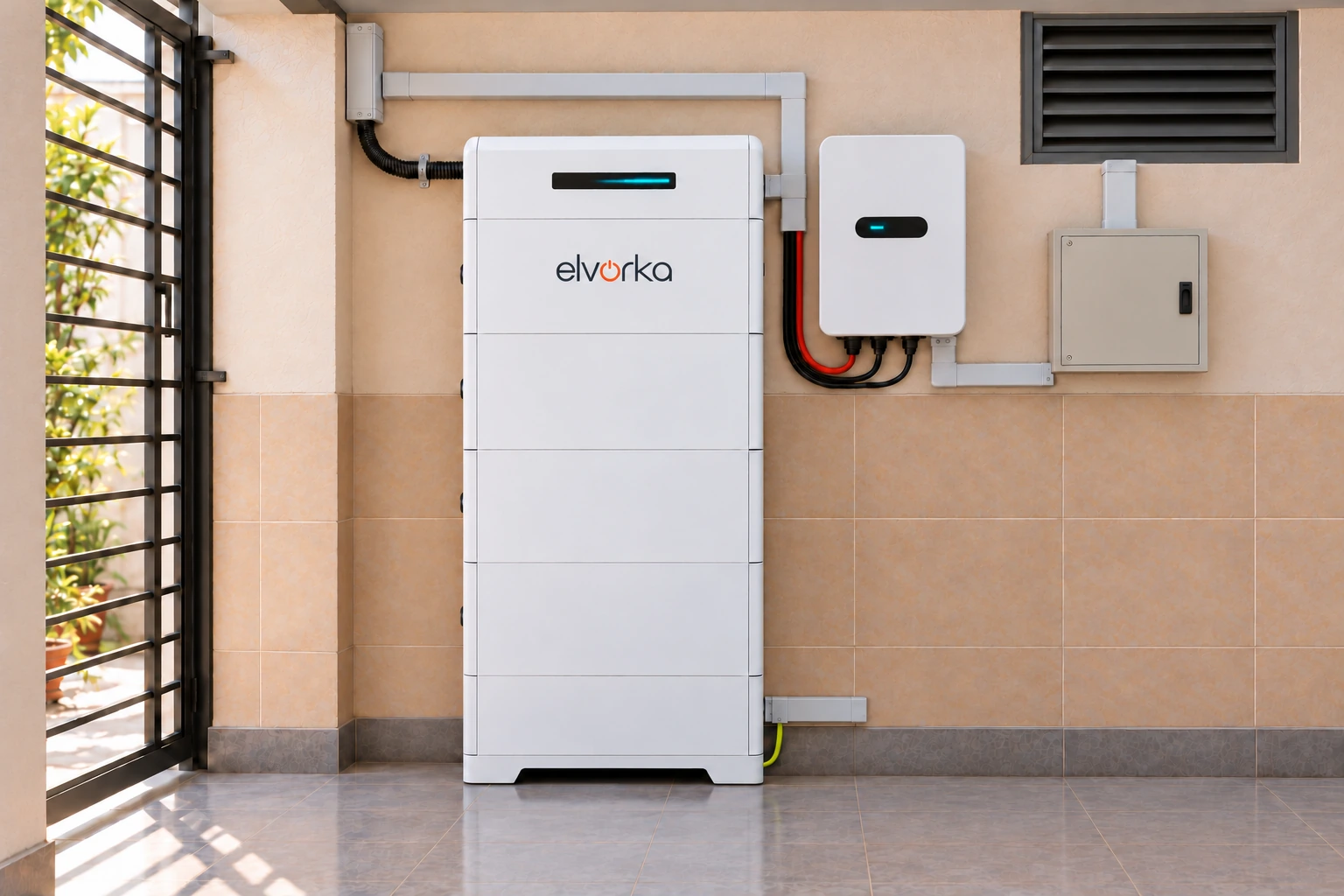
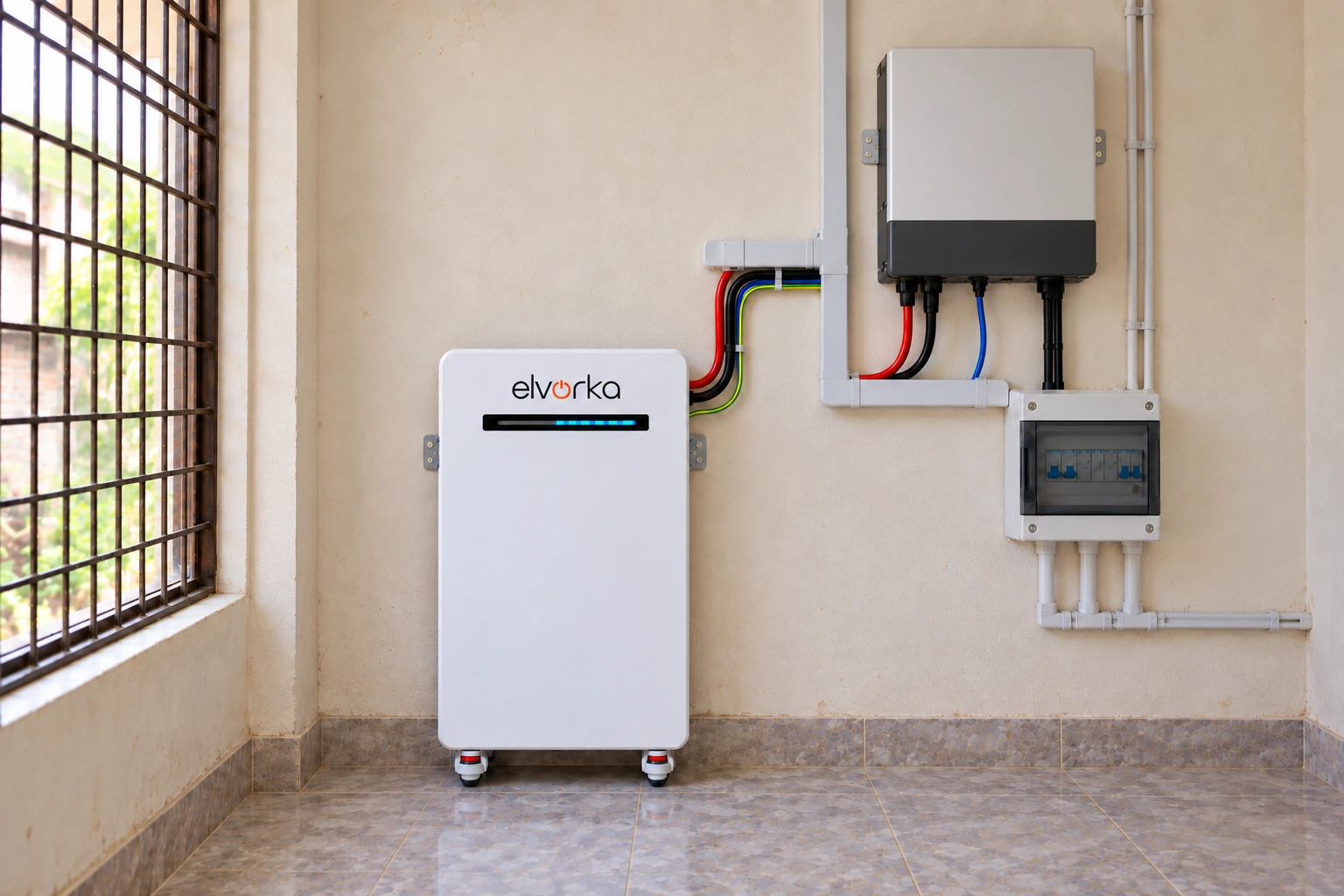
EU 230 V and TA6000 are integrated battery-and-inverter families. A second standalone inverter is not part of their basic product architecture. TR Pro, TR standard, HP Ultra, HP K and TB are batteries that need a compatible external inverter. Match voltage range, current limits, communication protocol and firmware; nominal voltage alone does not establish compatibility.
Use the backup explorer for a first comparison, then send the selected loads, required duration and existing inverter details with your enquiry. Electrical design and final compatibility need to be confirmed for the actual project.